SROCP or LROCP? Which Marine Radio Licence You Actually Need
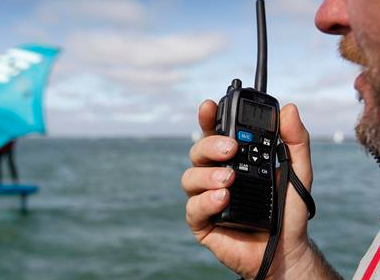
If you’ve got a radio on board, you need a marine radio licence to legally operate it — but which one? Australia has two main marine radio operator certificates, and mixing them up is one of the most common questions boaties ask before heading out. Here’s a plain-English breakdown of the SROCP and the LROCP, why you need either one in the first place, and how to work out which applies to you.
Why You Need a Marine Radio Licence
A marine radio licence isn’t just a box to tick — it exists for two practical reasons.
You need it to get an MMSI number. An MMSI (Maritime Mobile Service Identity) is the unique digital ID assigned to your vessel’s radio, and it’s what makes Digital Selective Calling (DSC) and distress alerting actually work — at the press of a button, your boat’s identity and position are transmitted to emergency responders. To apply for an MMSI number for your vessel, you first need to hold a valid marine radio operator certificate.
You need it to actually know how to use the radio. A marine radio isn’t like a mobile phone — there are specific channels for distress, urgency, and routine traffic, correct calling procedures, and protocols that matter in an emergency. The licence course teaches you how to make a proper mayday or pan-pan call, how to use DSC, and how to communicate clearly with other vessels and coast stations. In a genuine emergency, that training is the difference between a clear, effective call for help and a confused one.
The good news: once you’re certified, you’re certified for good. Both the SROCP and LROCP are lifetime qualifications — there’s no renewal, no expiry date, and no need to resit.
SROCP vs LROCP: What’s the Difference?
SROCP (Short Range Operators Certificate of Proficiency) covers VHF marine radio — the standard radio fitted to the vast majority of recreational and light commercial vessels. It covers correct radio procedures, VHF channel use, distress and safety calling, and Digital Selective Calling (DSC).
LROCP (Long Range Operators Certificate of Proficiency) builds on everything in the SROCP and adds MF/HF (medium and high frequency) radio operation, used for long-range and offshore communications well beyond VHF range. It’s a broader, more advanced certificate — and it’s internationally recognised for both VHF and MF/HF use.
In short: every LROCP holder can operate VHF radio too. But an SROCP alone doesn’t qualify you to operate MF/HF equipment.
Which One Do You Need for Your Ticket?
If you’re working toward — or already hold — a commercial maritime qualification, the radio certificate you need depends on the ticket:
- Coxswain Grade 1/2/3: SROCP is the minimum requirement. LROCP is recommended, particularly if you expect to operate further offshore or move toward higher qualifications later.
- Master (up to 24m and above): LROCP is required, since Master tickets at this level assume you may need MF/HF communication for extended or offshore operations.
- Sailing Master Coastal: SROCP.
- Sailing Master Offshore: LROCP.
If you’re not sure which your ticket requires, check the certificate requirements listed for that specific qualification before you book a radio course — it’ll save you doing it twice.
What Do Most Recreational Boaters Actually Need?
For most recreational boaters, the SROCP is all you need. If your boat is fitted with a VHF radio and you’re boating within range of the coast, SROCP covers you completely, satisfies the legal requirement to hold a marine radio licence, and lets you apply for your MMSI number.
Consider the LROCP instead if:
- You’re planning to cross between countries by boat and need long-range communication capability
- Your vessel is fitted with MF/HF radio equipment in addition to VHF
- You’re working toward a Master ticket or an offshore qualification that requires it
If none of that applies to you, don’t overcomplicate it — SROCP covers the radio on your boat and the law you need to comply with.
Get Your Marine Radio Licence Online with EZ Boating
Both certificates are available online through EZ Boating, combining self-paced theory with a live practical assessment conducted over Zoom — no need to attend in person or set aside a full day.
- Most recreational and Coxswain boaters: Get your SROCP online with EZ Boating →
- Offshore boaters, HF/MF users, and those working toward Master tickets: Get your LROCP online with EZ Boating →
Whichever certificate suits your boating, it’s a one-off licence — get it sorted once, and you’re covered for life.