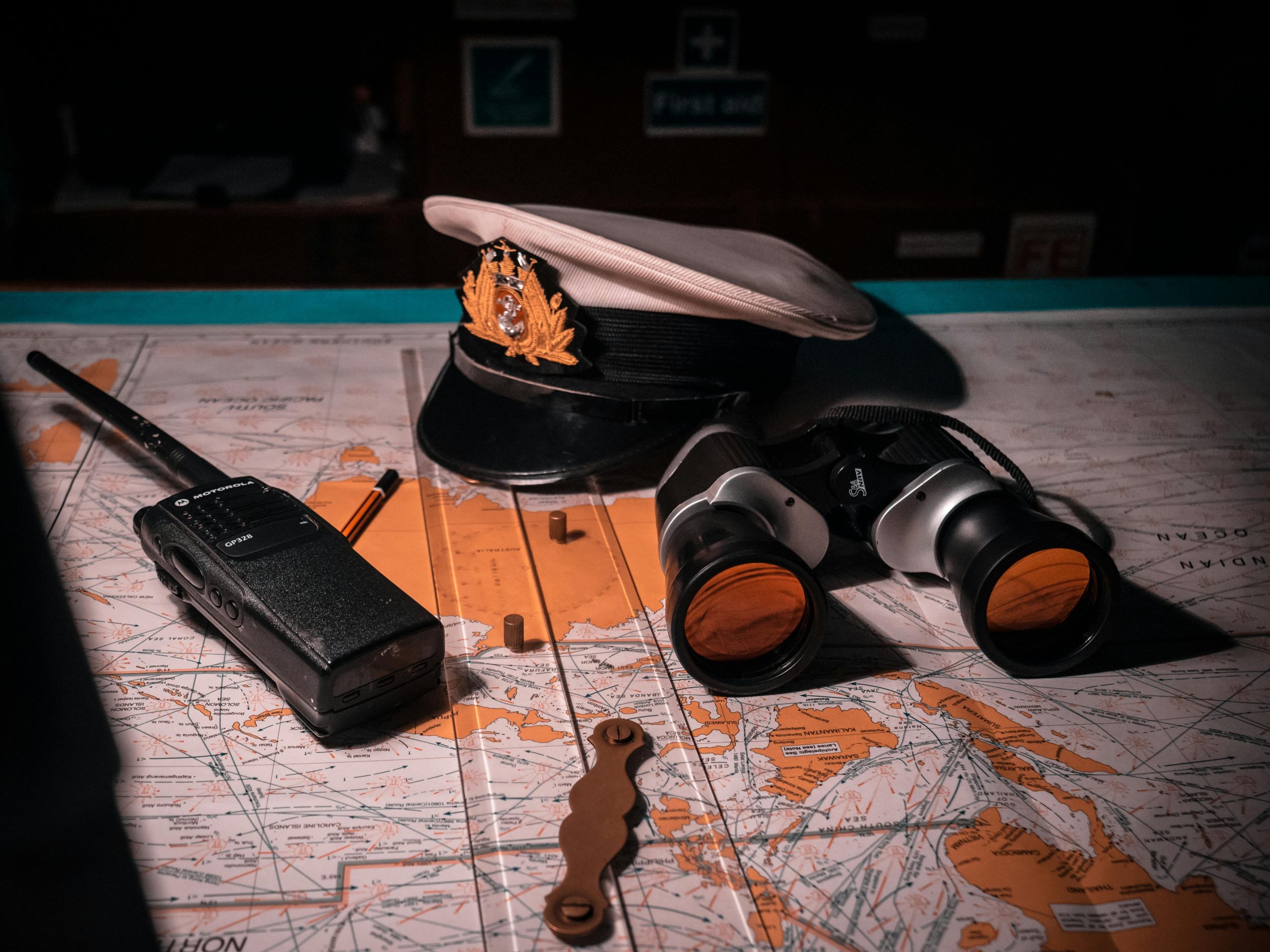
If you’ve got a VHF radio on board — even if you only take the boat out on weekends — Australian law says you need a marine radio licence to use it. Specifically, you need the Short Range Operators Certificate of Proficiency, or SROCP. It’s one of the most overlooked pieces of boating compliance, and one of the easiest to sort out. Here’s exactly what the SROCP is, who needs one, and how to get certified without giving up a full weekend.
What Is a Marine Radio Licence?
A marine radio licence is the certification that legally allows you to operate marine radio equipment on a vessel in Australian waters. It’s not a boat licence, and it’s not the same as your boating licence or Coxswain ticket — it’s a separate qualification tied specifically to the radio equipment itself, governed by the Radiocommunications Act 1992.
In Australia, there are two main marine radio operator certificates:
- SROCP (Short Range Operators Certificate of Proficiency) — covers VHF marine radio use and is internationally recognised.
- LROCP (Long Range Operators Certificate of Proficiency) — covers both VHF and MF/HF radio for extended-range communications.
For most recreational boaters, skippers, and Coxswains operating within coastal waters, the SROCP is the one that applies.
What Is the SROCP?
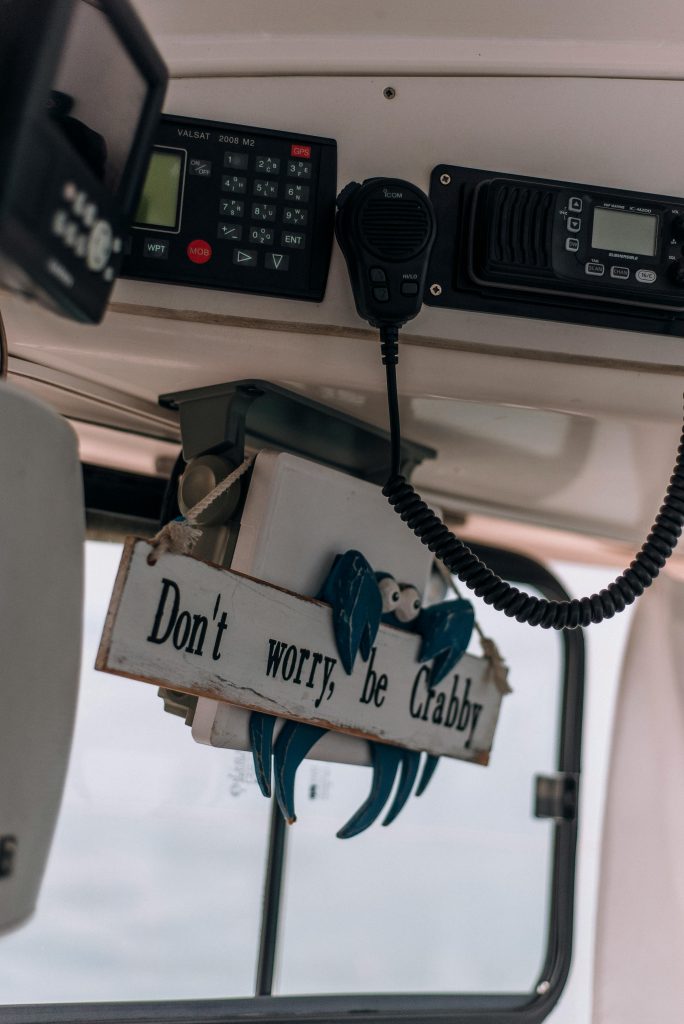
The SROCP is the standard marine radio licence for anyone operating a VHF radio in Australian waters. It’s issued following an approved course and assessment, and it’s recognised internationally — which matters if you ever plan to use a VHF radio on waters outside Australia, or if you’re working toward a Coxswain Grade 1 or Sailing Master Coastal qualification, both of which require it.
An SROCP course typically covers:
- Marine radio procedures and correct use of channels
- How to operate VHF radio equipment, including repeater channels
- Distress, urgency, and safety call procedures
- Digital Selective Calling (DSC) systems
- Power supply requirements for marine radio equipment
- Practical, hands-on use of a VHF radio
There’s also a lesser-known, Australia-only option called the Australian Waters Qualification (AWQ), which covers VHF use within 12 nautical miles of the coast. It’s more limited than the SROCP — it isn’t recognised internationally, and it won’t count toward a Coxswain or Master qualification — so most boaters are better served getting the SROCP from the outset.
Do You Legally Need an SROCP?
Yes. Under Australian maritime law, it’s mandatory to have a marine radio on board when travelling more than 2 nautical miles out to sea, and it’s mandatory to hold a valid marine radio licence — the SROCP — to operate that VHF radio. This applies whether you’re:
- A Coxswain or skipper operating commercially
- A recreational boat owner with a VHF radio fitted
- Anyone taking the helm of a vessel that carries a VHF radio, even occasionally
Operating a VHF radio without the appropriate qualification is a breach of the Radiocommunications Act 1992, and it can carry significant penalties. It also matters in an emergency: knowing correct distress and DSC procedures is what makes a mayday call effective rather than confused, and that knowledge is exactly what the SROCP course is designed to give you.
How to Get Your Marine Radio Licence
Getting an SROCP used to mean carving out a full day for an in-person course. That’s no longer the case — you can now complete the entire process online.
1. Complete the online theory. The self-paced theory component covers marine radio operation, VHF procedures, distress and safety calling, and DSC systems. Most people get through it in around four hours, and you can do it in your own time.
2. Sit your practical assessment via Zoom. Instead of attending an in-person session, your practical VHF radio assessment is conducted live over Zoom with an instructor — typically around 30 minutes.
3. Receive your SROCP. Once you’ve completed both the theory and the practical assessment, you’ll need to apply for your licence with the Office of Maritime Communications (OMC) and you’ll get your Short Range Operators Certificate of Proficiency in the mail — your legal marine radio licence for operating a VHF radio in Australian waters.
Get Your SROCP Online with EZ Boating
EZ Boating runs the SROCP as a fully online course, combining self-paced theory with a live practical assessment over Zoom — so you don’t need to travel or block out a whole day to get compliant. The course is delivered in partnership with TEIA Ltd (a Registered Training Organisation), with flexible session times available outside standard business hours and on weekends if the listed times don’t suit.
If you skipper a boat, hold or are working toward a Coxswain ticket, or simply have a VHF radio on board for recreational trips, this is the marine radio licence you need before you next head out.
Get your SROCP marine radio licence online with EZ Boating →